
Spring always feels like a good time of year to go through your knits and give them a little refresh. The weather is getting warmer and it’s a good idea to get your heavier knits washed, dried and put away before the summer. We have had a big delivery of Soak the no rinse wool wash so there is no better time than now.
I use Soak both for washing my knitwear and for when I am blocking. It’s a good idea to add a bit of wool wash when you are preparing your knits for blocking because it cleans and refreshes them of anything they might have picked up through your knitting process.
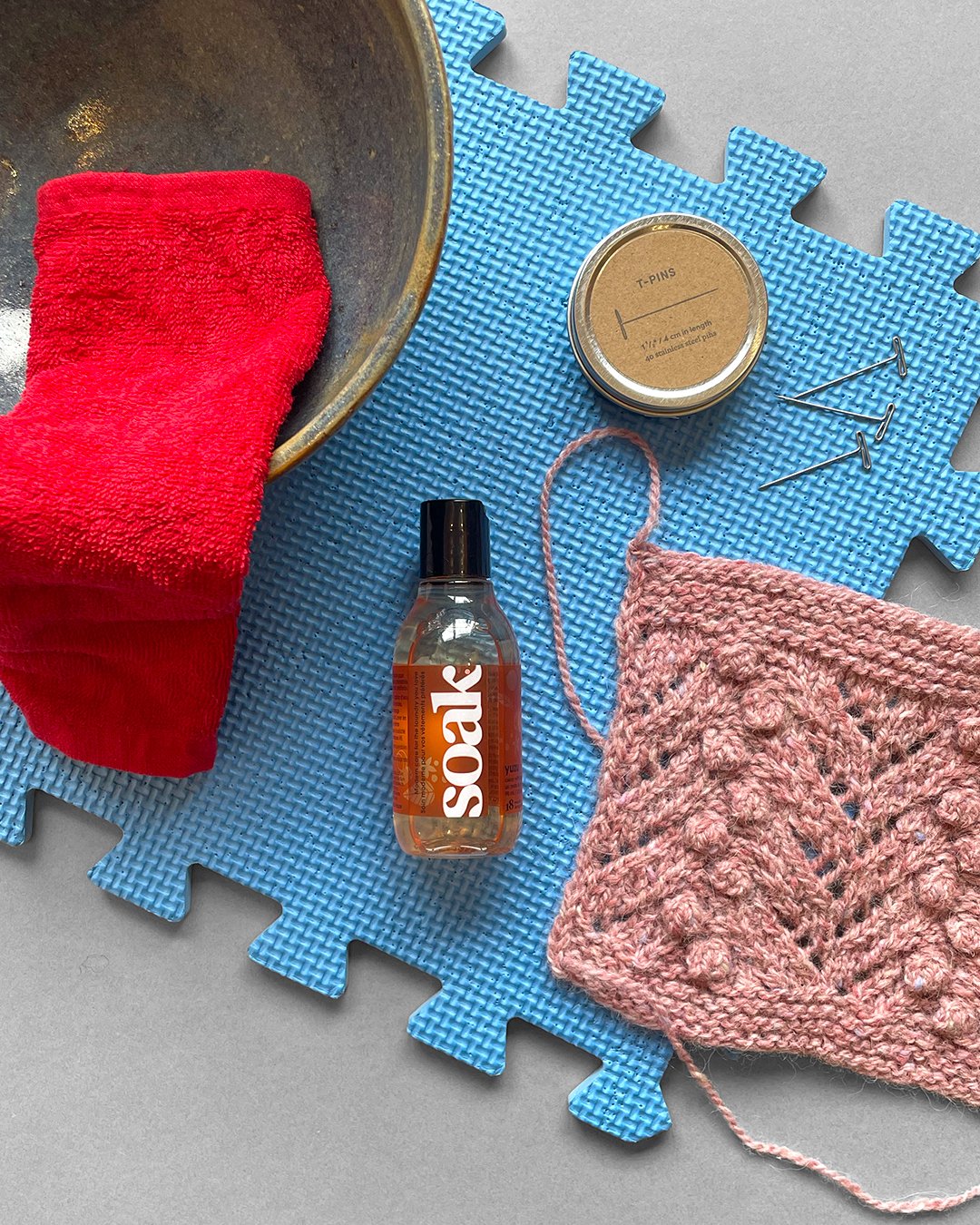
Soak is one of the easiest wool washes out there for both blocking and washing. You will need:
- Soak Wash (I’m using Yuzu, it’s my favourite and has a slightly citrusy smell. We have four fragrances plus a scentless if scent isn’t your thing).
- A bowl, bucket, sink or bath (depending on your project size).
- A towel (I’m using a flannel because I’m just doing this little swatch).
- Blocking pins (optional for pinning out your project)
- A surface for drying (I use foam child’s play mats as it’s easy to pin into. But a clean towel laid on a bed or over a rug works just as well).
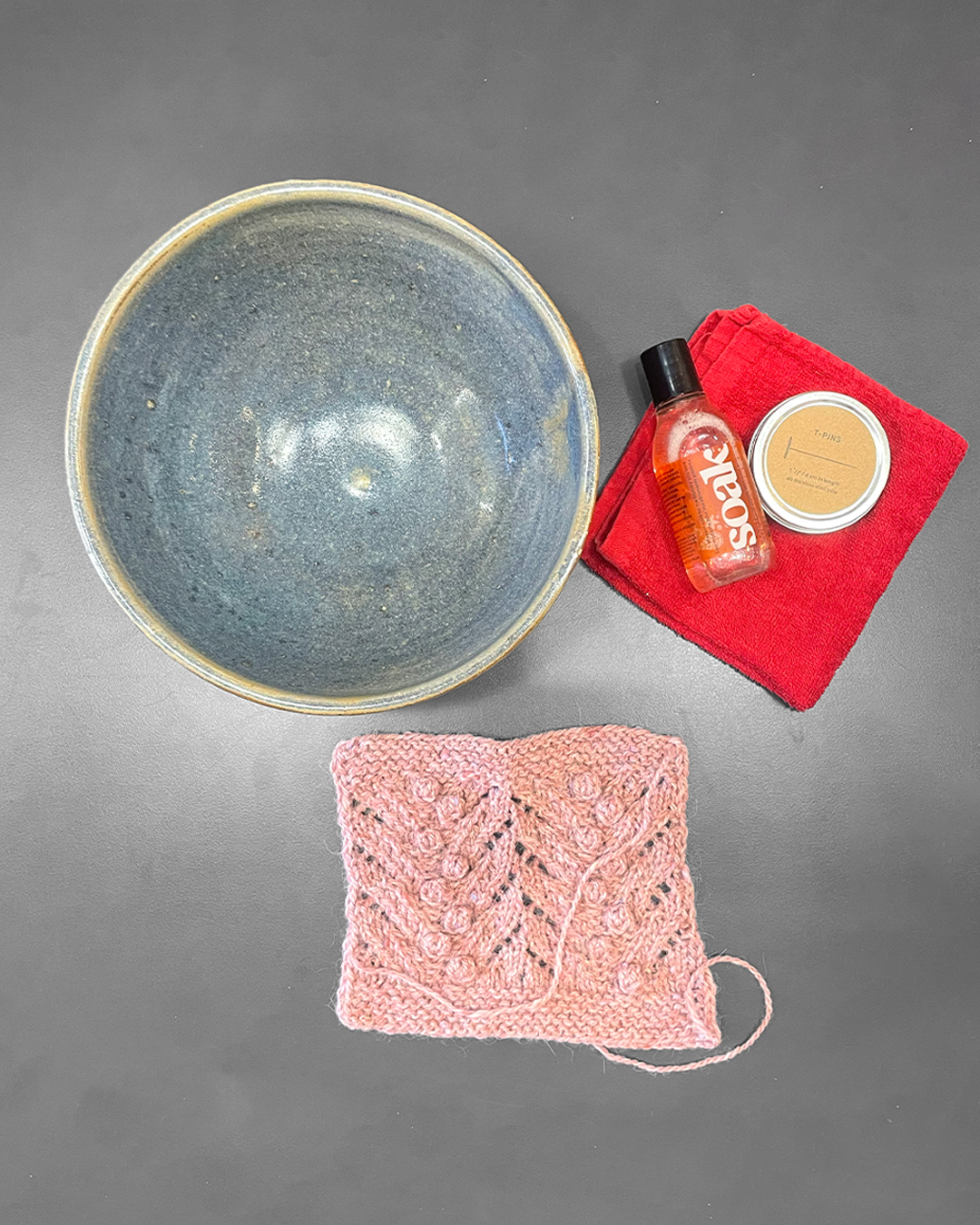
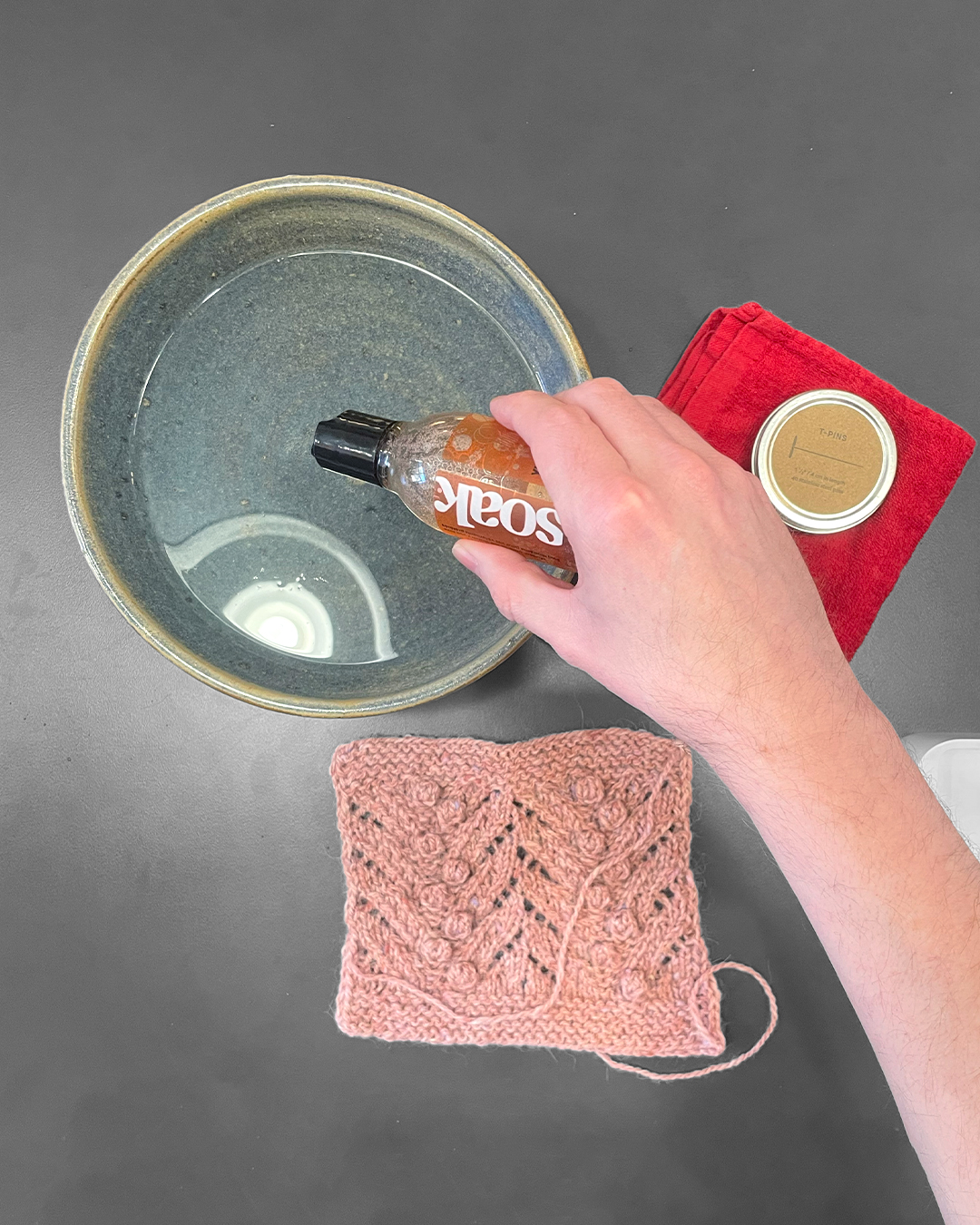
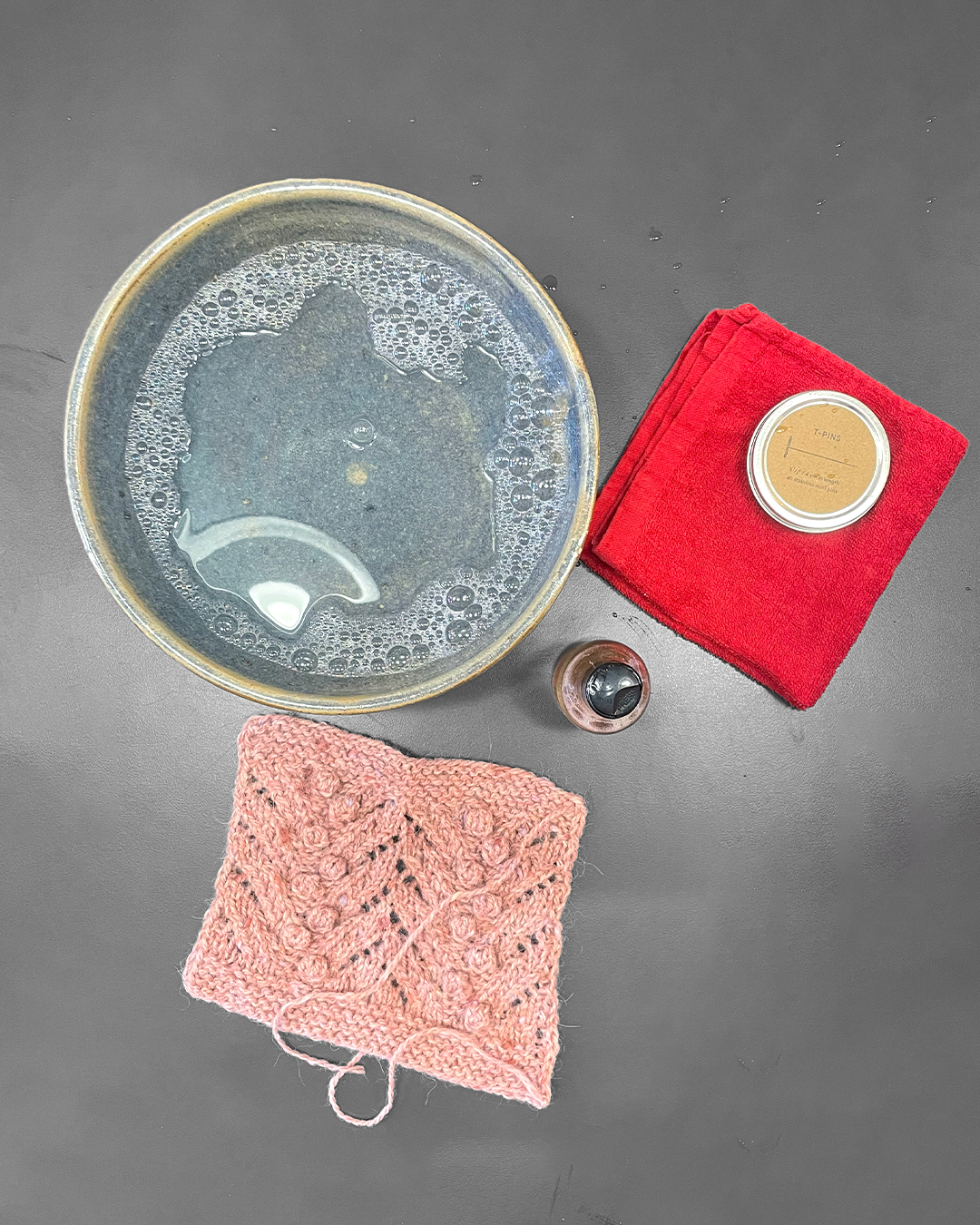
First you want to get your vessel and fill it with warm but not hot water. I use water from the hot tap and make sure it’s not too hot. I try not to use water from a kettle because you may risk burning yourself and also the hotter the water the more likely you might end up shocking and felting your fibres. For a small swatch like this I don’t need much Soak so I just squidge a few drops in. To be honest I just eyeball it most of the time and do more or less drops depending on the size of the project I’m washing. But technically the ratio should be one teaspoon to 4.5litres. The main thing is you don’t want too much soap as the water ends up being too greasy. I use my hands to then lather up the water making sure the Soak is all mixed in.
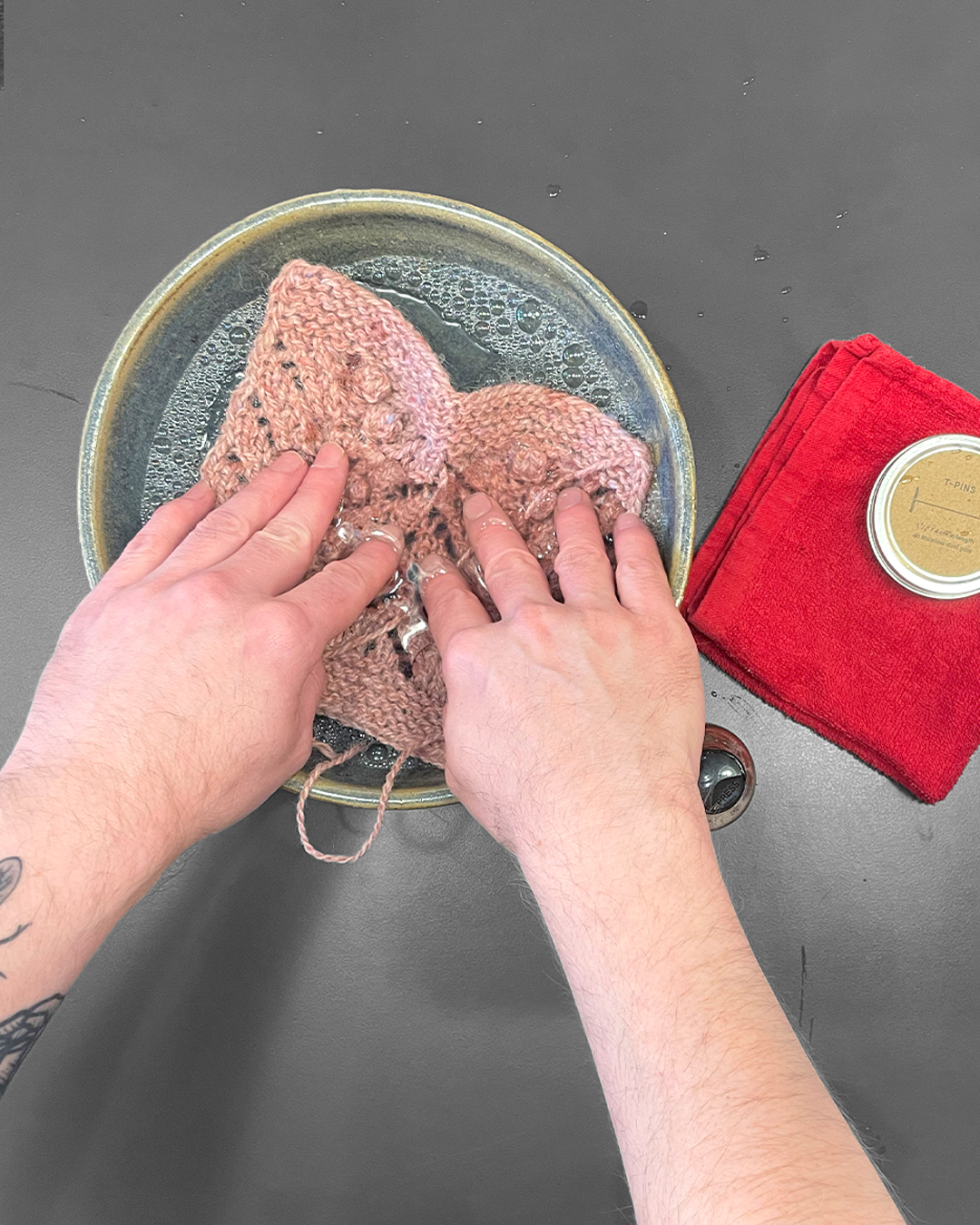
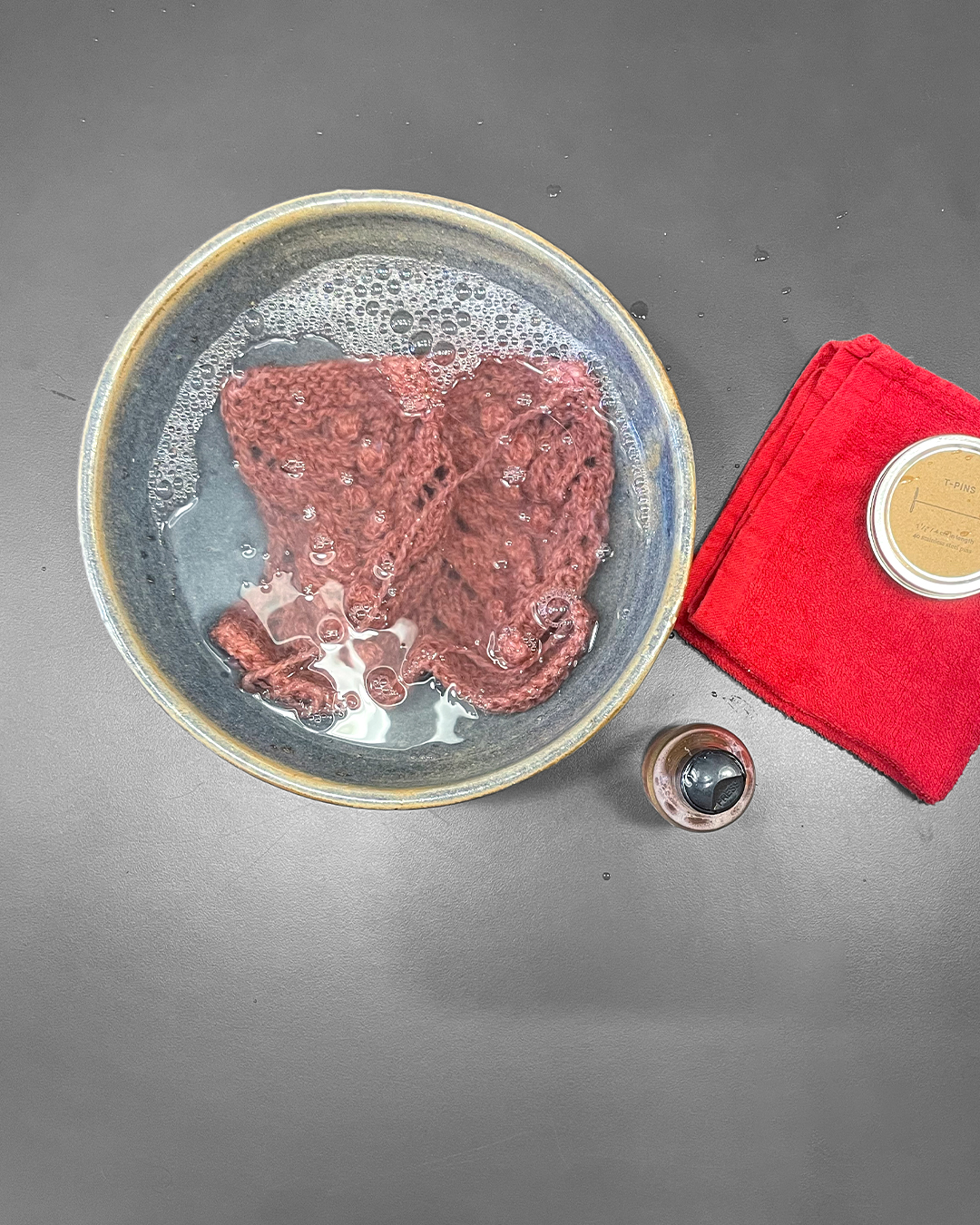
Using your hands gently submerge your knitting under the water. I tend to hold it under there for a little while to let all the bubbles escape that might be trapped in the fibre. The main thing is not to agitate it too much as that will also encourage felting. I let it sit and Soak for 10-15mins and sometimes I will give it a little move around from time to time. It’s always a good idea to treat your swatch in exactly the same way you would treat your finished piece. This allows you to look for things like dye transfer or bleeding and you can evaluate the finished fabric as there are other ways to treat finished knitting to give you different results.
It may be that a full emersion isn’t the right course for your project, it may be the yarn grows a lot with wet blocking or the process flattens textured stitches that you want to keep bouncy. Then the option might be steaming or using a form like a sock or mitten blocker. These are things you can evaluate as you go along.
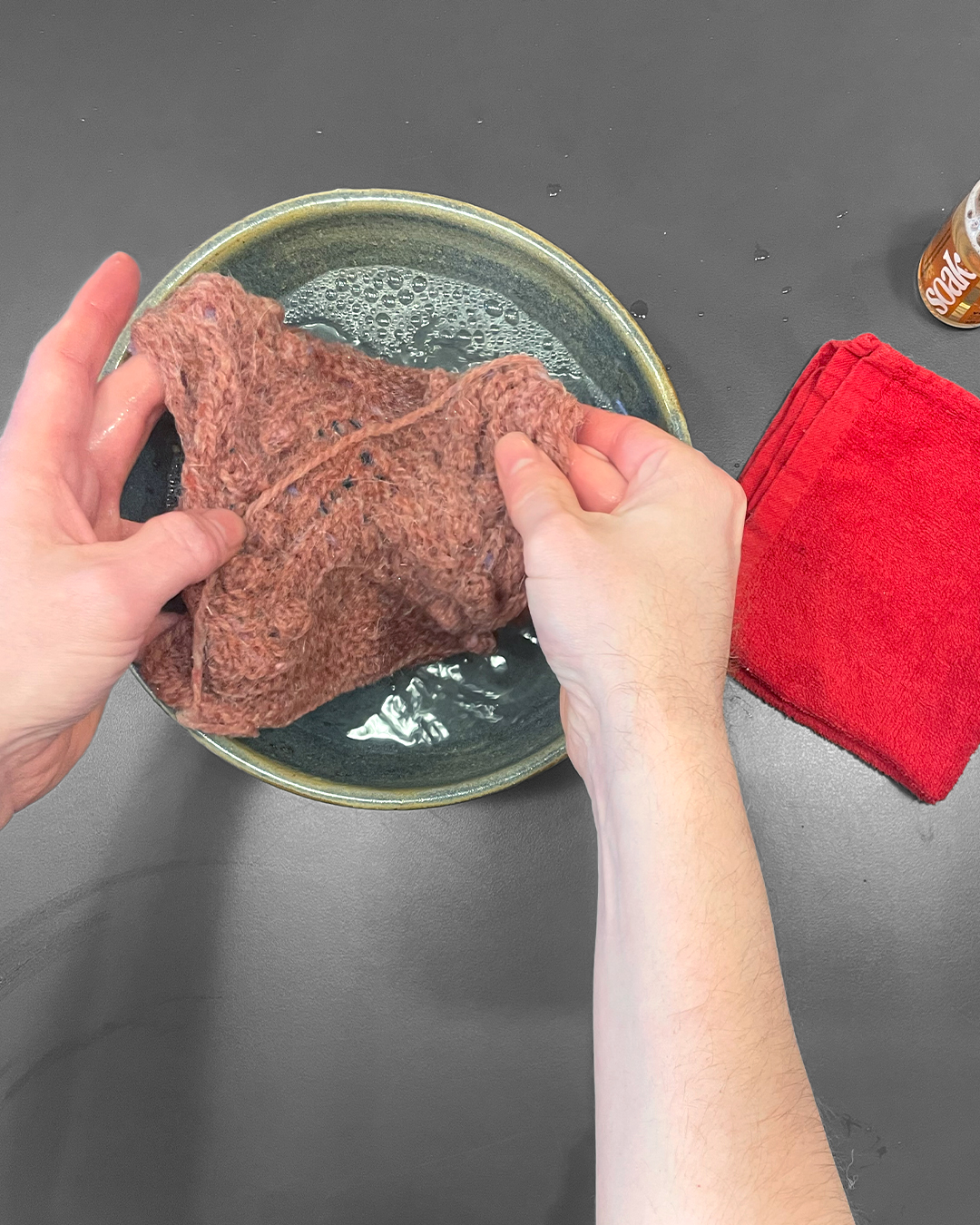
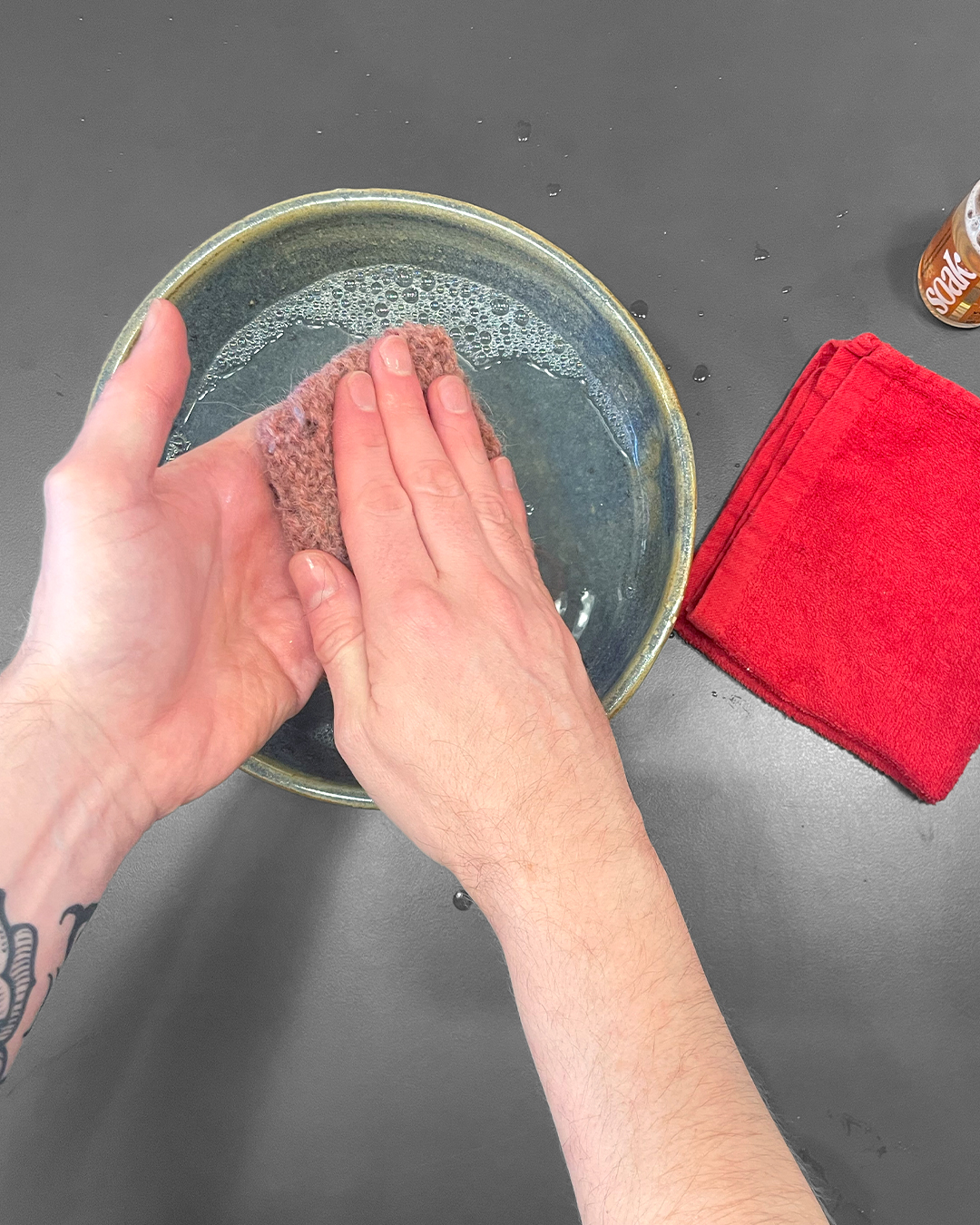
Now for lifting the project out of the water. This is crucial as you want to support your project in a way that means you are not putting any stress on the fabric. Pay close attention to a dangling sleeve for example. At these stage your knitting will be soaked through so you want to squeeze as much water as possible. But do this gently and with light pressure, don’t wring or stretch the fabric. There is no need to rinse the fabric after it has been soaking which also avoids putting stress on the fibres. It leaves a gentle but pleasing scent on your finished project.
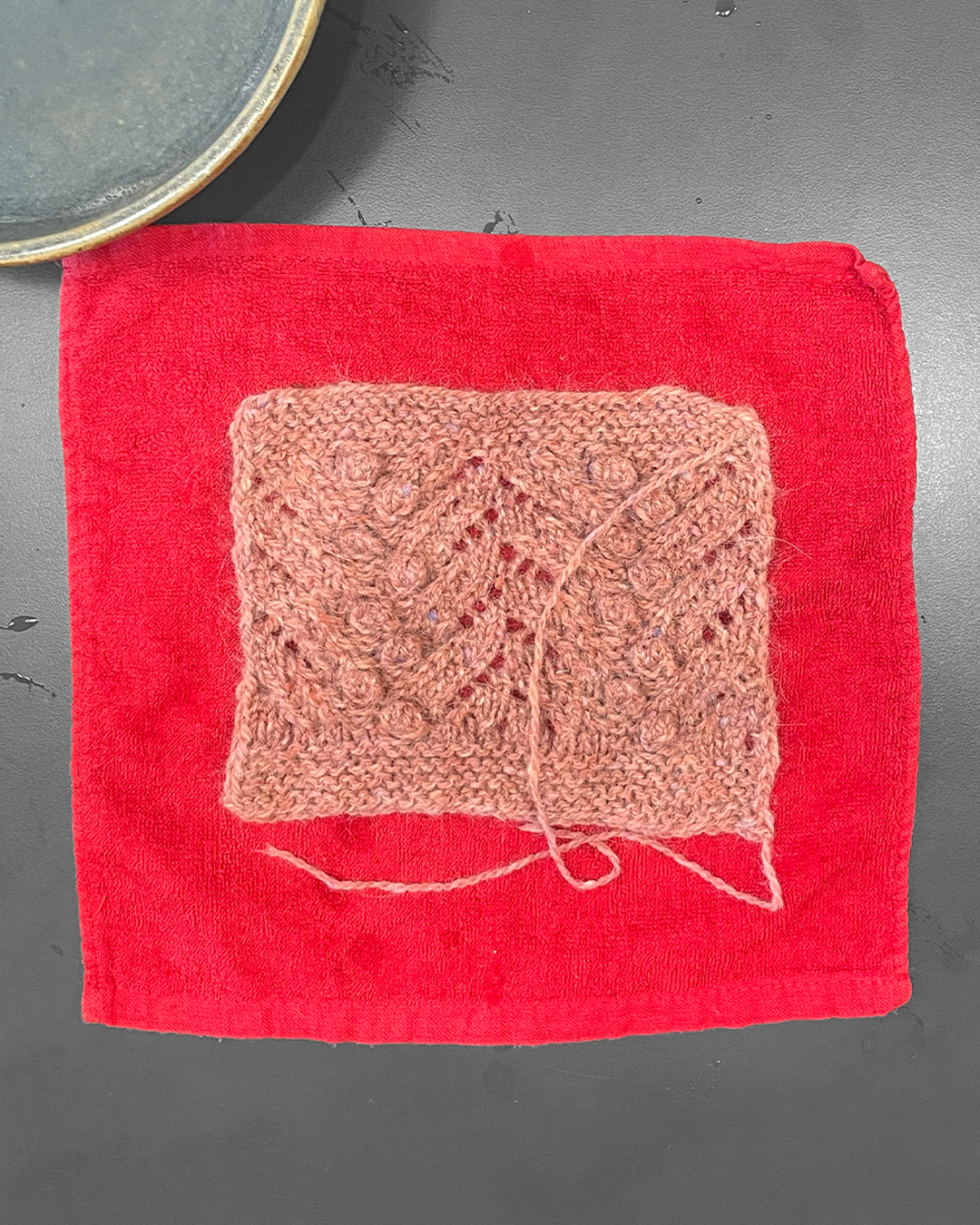
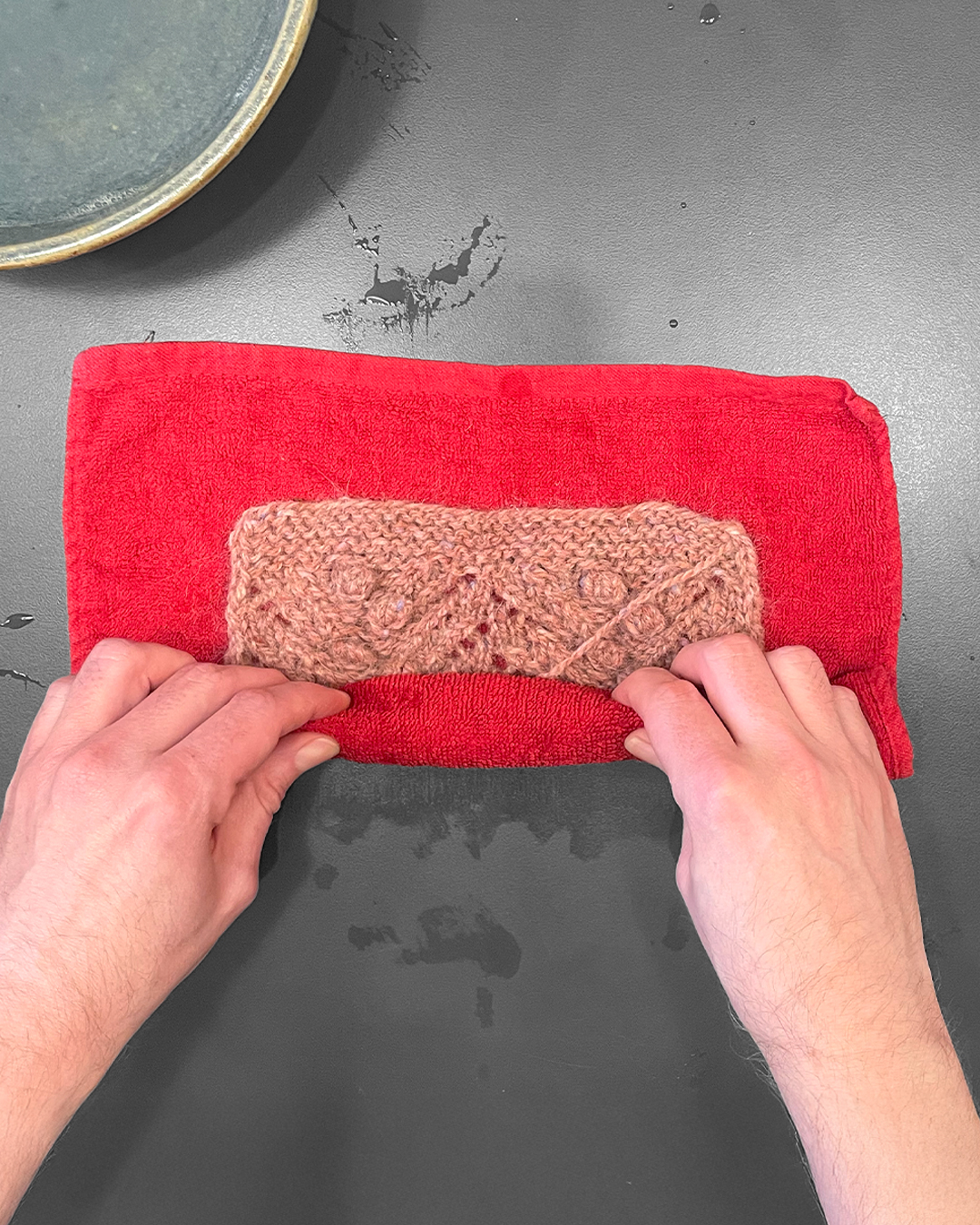
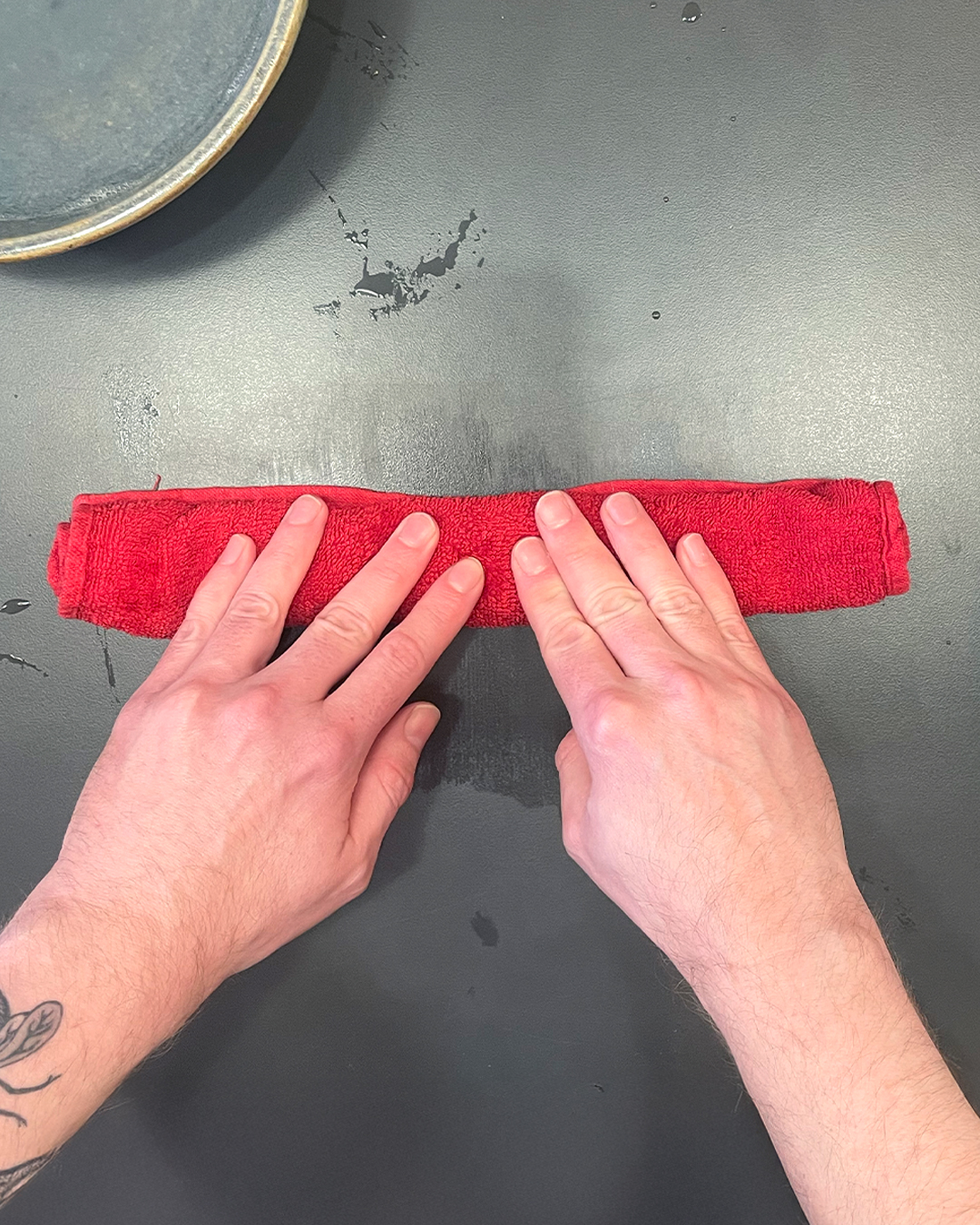
Now we are going to squeeze out more water by sandwiching between a towel. Carefully lay out your knitting on a clean towel and roll it up like a Swiss roll pushing down on the towel as you go. This means the project is supported and not going to stretch and the excess water goes into the towel. If you have a bigger project you can lay your rolled up towel on the floor and stand on it to get more water out of your knitting. You want your fabric to be slightly damp still but not sopping, you can repeat the process with a fresh dry towel if needs be. As you could imagine this process of squeezing can flatten textured stitches so judge your swatch at this stage.
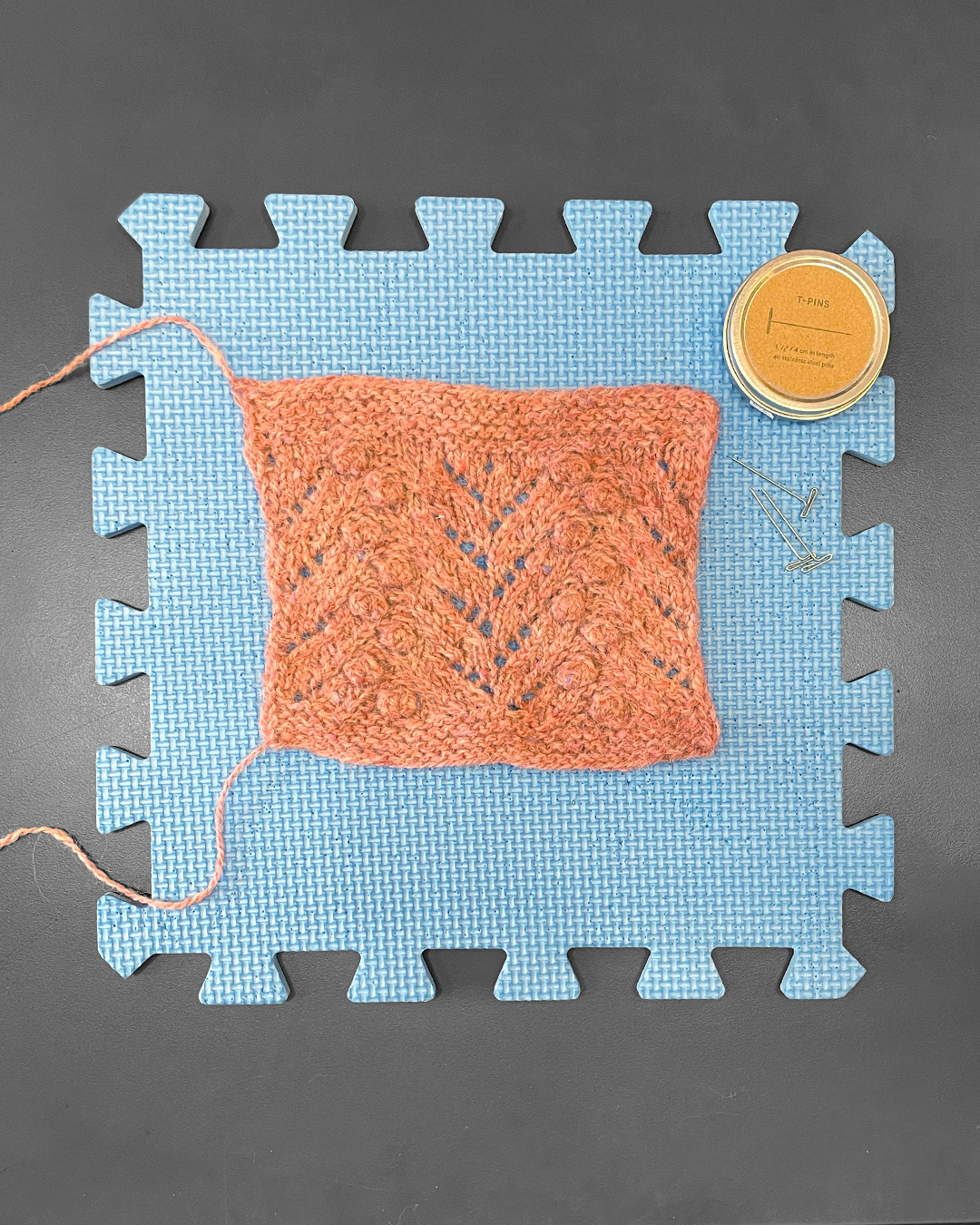
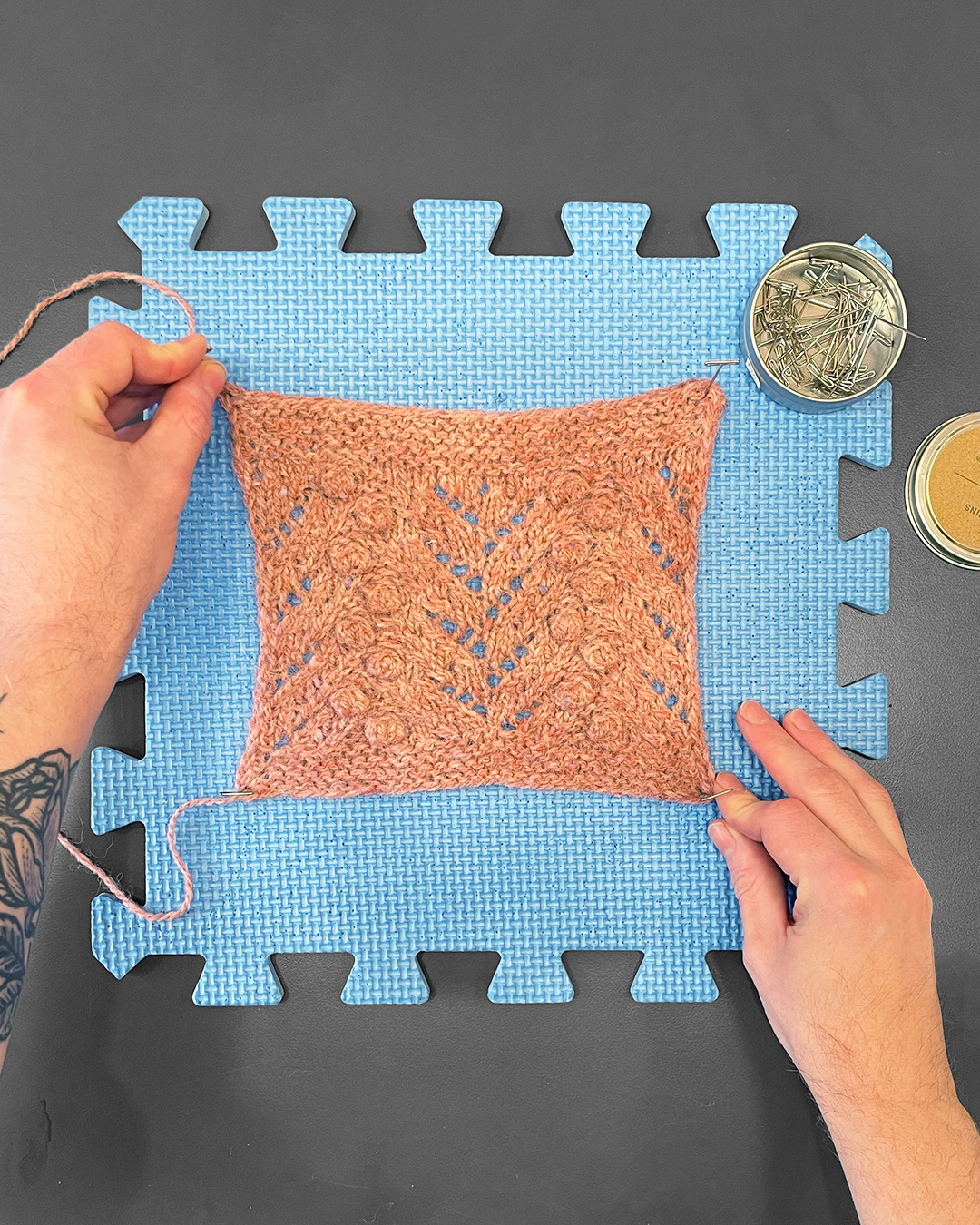
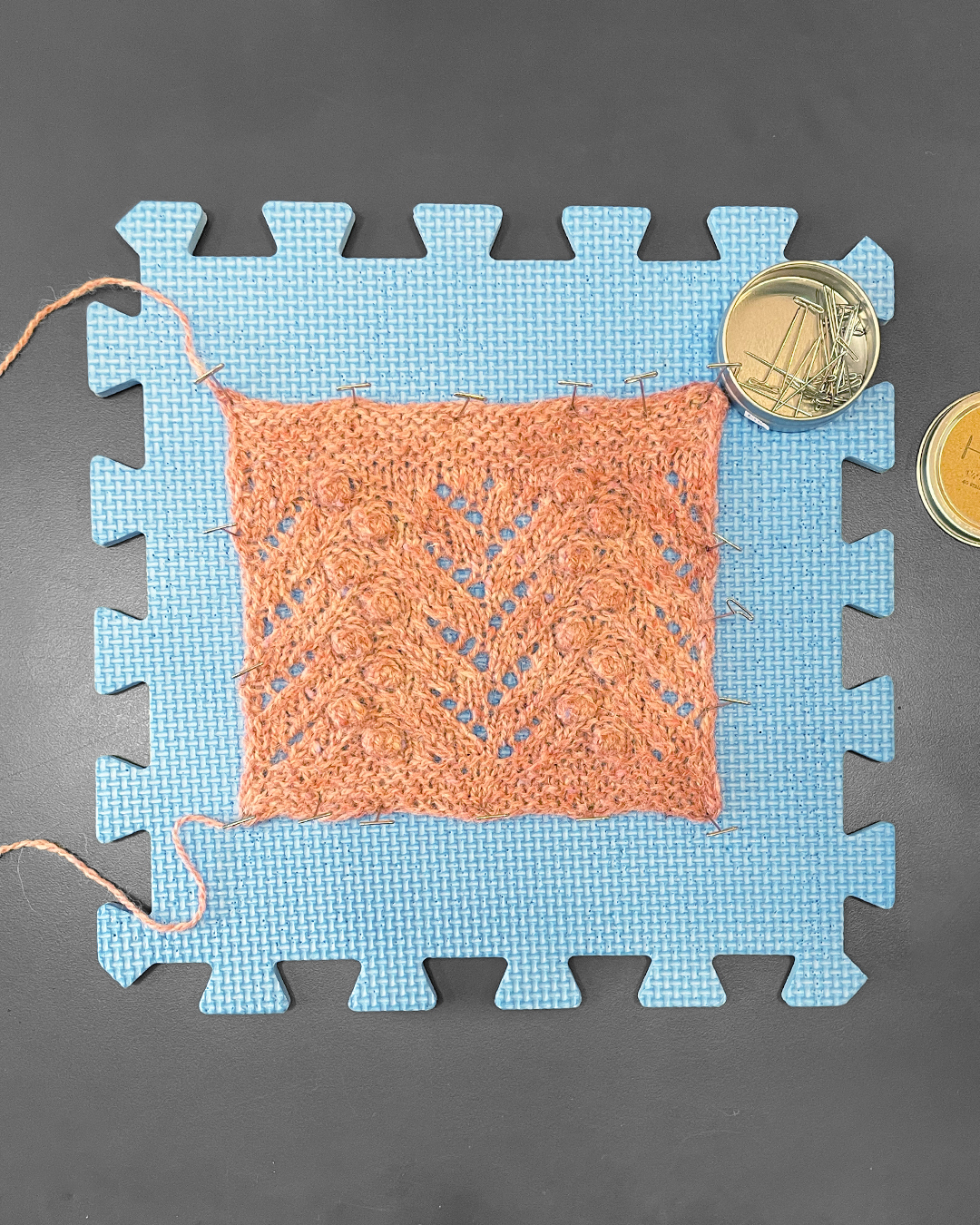
Now on to the blocking. Blocking refers to the process of pinning out and shaping your fabric while it is still slightly damp. If you have a lace project or a project you want to encourage into a particular shape then blocking is a great way to do this. Pinning helps form the knitting and holds its shape while it drys and sets the stitches. This is why it’s important to treat your swatch as you would your finished piece because you may find wet blocking like above doesn’t suit the fabric, so steam blocking might preferred or no blocking at all. Have a play and find out what works for you. Pinning is not essential though you can lay out your project and with your hands gently form it to the shape you need. Now leave it somewhere well ventilated to dry.
Soak is not just for knitwear and is great for all sorts of delicate items that require handwashing. It is lanolin free and made with plant-derived and renewable ingredients. It’s biodegradable, phosphate-free, dye-free and sulphate-free. It has no glycols, EO, PO, SLS, SLES, DEA or MEA. You can also use it in your machine.
For machine washing add about 2-3 tablespoons of Soak into the soap dispenser. Wash on a cool or delicate cycle and you can skip the rinse phase.
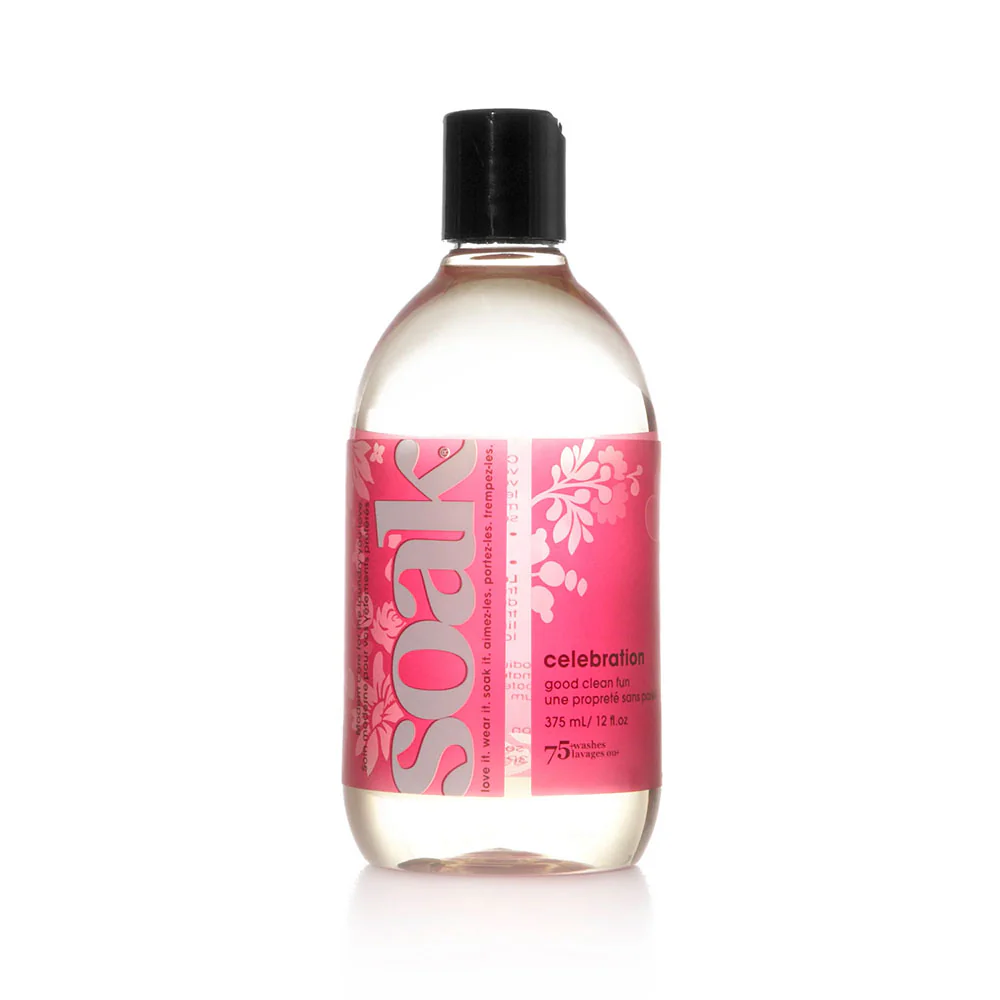
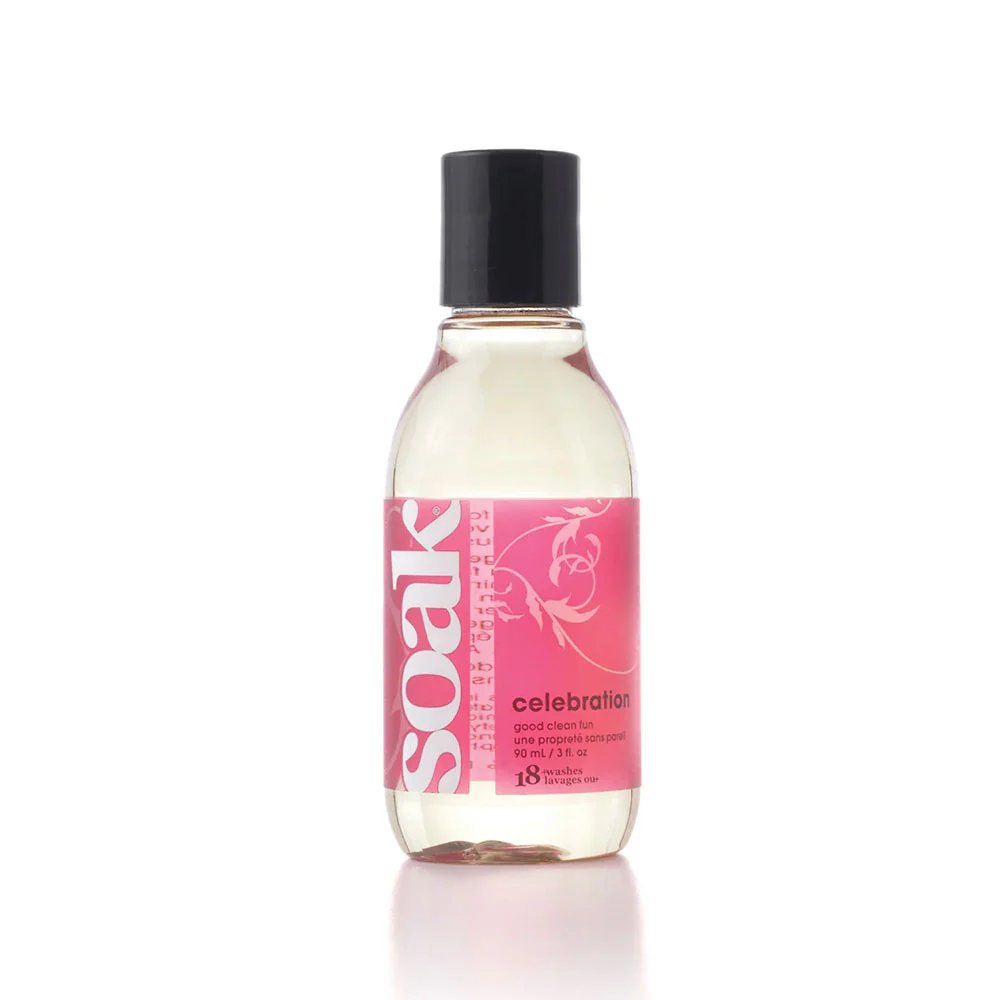
We have Soak both in the larger 375ml size or the smaller 90ml travel size.
Leave a Reply